November 21, 2026
Your vehicle's braking system plays an essential role in keeping you safe on the road. Over time, brake pads, rotors, calipers, and other components experience wear that can affect how effectively your vehicle slows down and stops. Some problems develop gradually, while others become noticeable through unusual sounds, vibrations, or changes in pedal response. Recognizing these warning signs early can help prevent additional damage and reduce the risk of brake failure. Although routine maintenance helps keep the system in good condition, drivers should never ignore symptoms that suggest something is wrong. Scheduling local auto brake service when problems first appear allows technicians to inspect the affected components and recommend appropriate repairs. Understanding the most common warning signs can help you recognize when your vehicle needs professional attention.
1. Squealing Sounds When Applying the Brakes
A high-pitched squealing noise when pressing the brake pedal is one of the most recognizable signs of brake wear. Many brake pads include small metal wear indicators designed to create a squealing sound when the friction material becomes too thin. This warning gives drivers an opportunity to replace worn pads before they cause more serious damage. However, squealing does not always mean the pads need immediate replacement. Moisture, surface rust, dust, and certain brake materials can also produce temporary noises. If the sound continues during normal driving, having the system inspected is a sensible precaution. A technician providing local auto brake service can measure pad thickness and examine the surrounding components for signs of wear. Addressing persistent squealing early can help prevent the friction material from wearing down completely and damaging the rotors.
2. Grinding Noises During Braking
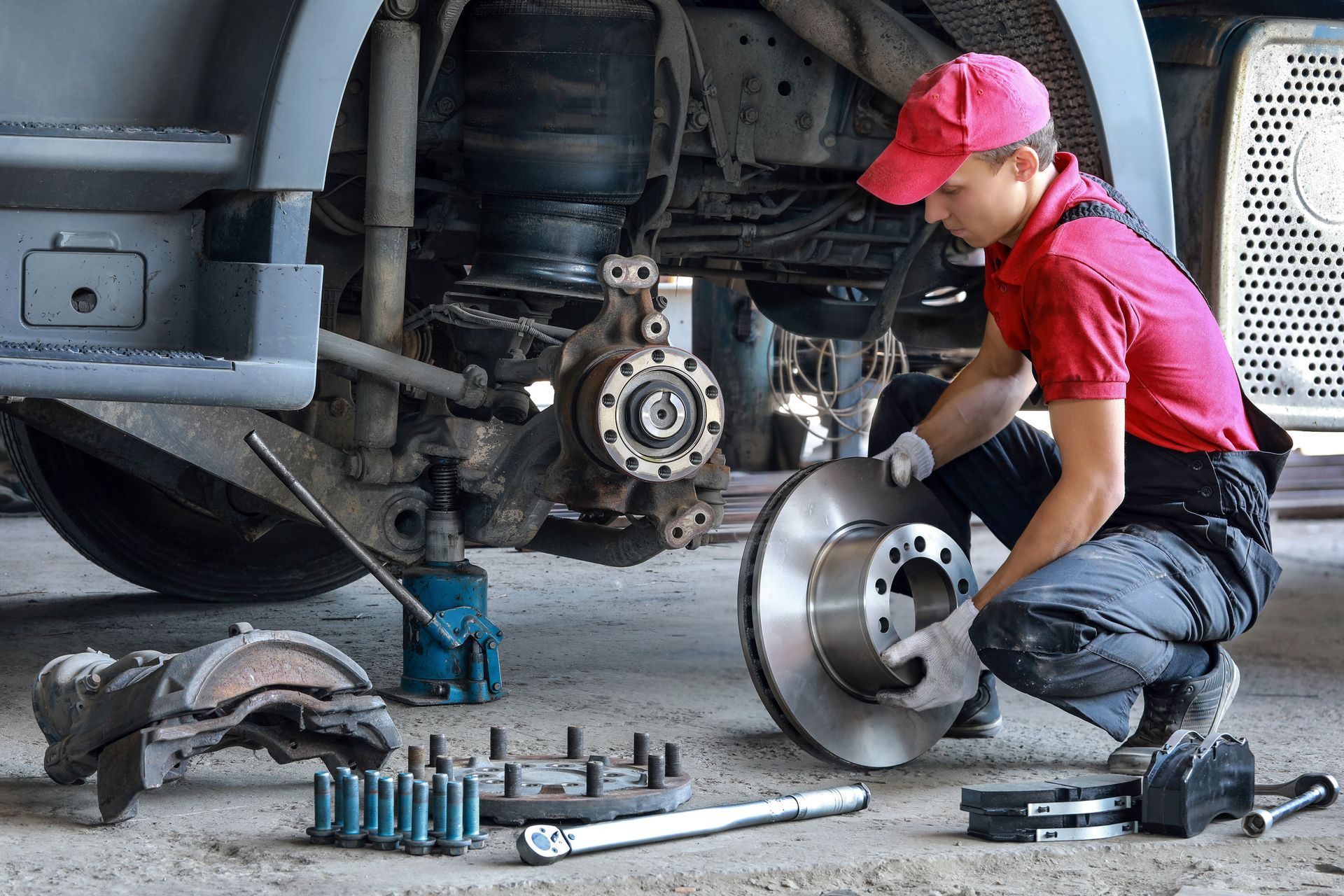
Grinding sounds are generally more concerning than occasional squealing because they may indicate that brake pads have worn down significantly. When the friction material becomes depleted, the metal backing plate can make contact with the rotor. This contact can damage the rotor surface and reduce the braking system's ability to operate properly. Drivers may notice a harsh scraping or grinding noise whenever they apply pressure to the brake pedal. Continuing to drive with this problem can increase repair costs because additional components may require replacement. Local auto brake service can help identify whether worn pads, damaged rotors, or another mechanical issue is responsible. Technicians can inspect the braking surfaces and determine which parts need attention. If grinding occurs consistently, avoid unnecessary driving and arrange an inspection as soon as possible.
3. Vibrations or Shaking When Slowing Down
A steering wheel or brake pedal that shakes when slowing down may indicate a problem with the braking system. One possible cause is uneven rotor surfaces, which can create inconsistent contact between the brake pads and rotors. Drivers may feel pulsing through the pedal or notice vibrations that become more pronounced at higher speeds. Other issues, such as worn suspension components or loose wheel hardware, can also contribute to shaking. A proper inspection is necessary to determine where the vibration originates. Technicians offering local auto brake service can examine the rotors, pads, calipers, and related components to locate the source. Depending on the condition of the parts, repairs may involve resurfacing or replacing rotors and addressing other worn components. Having the problem evaluated early can help restore smoother braking and prevent additional wear.
4. A Soft or Spongy Brake Pedal
The brake pedal should provide consistent resistance when pressed, so a pedal that feels unusually soft deserves attention. If it sinks closer to the floor than normal, the braking system may have an issue involving hydraulic pressure. Air trapped in the brake lines can interfere with fluid movement and create a spongy sensation. A fluid leak or failing master cylinder may also prevent the system from building adequate pressure. Because hydraulic components are responsible for transferring pedal force to the brakes, these problems should not be ignored. Local auto brake service can include checking fluid levels, inspecting brake lines, and evaluating the master cylinder. Technicians may need to bleed the system, repair a leak, or replace a defective component. If the pedal suddenly becomes soft or difficult to operate, avoid driving the vehicle until it has been inspected.
5. A Vehicle That Pulls to One Side
A vehicle that pulls left or right while braking may have an issue affecting how evenly the brakes operate. A sticking caliper can prevent one brake pad from applying or releasing pressure correctly. Uneven pad wear, damaged brake hoses, and contaminated friction surfaces may also contribute to inconsistent braking. Drivers might notice that the vehicle changes direction slightly whenever they press the pedal. This behavior can make it harder to maintain control, especially when stopping in traffic or traveling on wet roads. Scheduling local auto brake service allows technicians to compare the condition and operation of components on both sides of the vehicle. They can identify sticking parts, fluid problems, or other conditions that may cause uneven braking. Prompt attention helps restore balanced stopping performance and reduces unnecessary stress on other components.
6. A Burning Smell After Braking
A sharp burning odor after braking may indicate excessive heat within the braking system. This can happen when a caliper sticks, causing a brake pad to remain in contact with the rotor even when the pedal is released. Repeated hard braking on steep roads can also create significant heat, particularly when a vehicle is carrying additional weight. However, a persistent burning smell should not be dismissed as normal operating behavior. Excessive heat can damage brake components and affect their ability to function properly. According to the U.S. Department of Energy, diesel engines can achieve efficiency levels of approximately 40% to 45%. Although this figure relates to engine performance rather than brake condition, it highlights how different vehicle systems have specific operating characteristics that require appropriate maintenance. Local auto brake service can help determine whether a burning odor comes from a sticking brake component or another mechanical issue.
7. A Brake Warning Light on the Dashboard
Modern vehicles use dashboard warning lights to alert drivers when certain systems need attention. A brake warning light may indicate low brake fluid, an issue with the parking brake, or a problem detected by the vehicle's braking system. Some vehicles also have an anti-lock braking system warning light that signals a possible ABS malfunction. These warnings should be taken seriously, even if the vehicle appears to stop normally. Ignoring them may allow an underlying problem to worsen or leave an important safety feature unavailable. Local auto brake service can include scanning the vehicle's onboard diagnostic system and inspecting the relevant components. Technicians can determine whether the warning relates to a sensor, hydraulic issue, electrical fault, or another condition. Checking the owner's manual can also help drivers understand what a particular dashboard warning means and whether immediate attention is required.
8. Longer Stopping Distances
Needing more distance than usual to bring a vehicle to a complete stop is another important warning sign. Worn brake pads, damaged rotors, contaminated friction surfaces, and hydraulic problems can all affect braking performance. Drivers may notice that the pedal needs to be pressed harder or that the vehicle takes longer to slow down in familiar driving conditions. Tire condition and road surfaces can also influence stopping distances, so a complete evaluation may be necessary. Local auto brake service helps determine whether worn or malfunctioning brake components are contributing to the change. Technicians can inspect the system and recommend repairs based on the condition of the vehicle. Drivers should increase following distance and avoid unnecessary trips when braking performance appears reduced. If the vehicle cannot stop reliably, it should not be driven until the problem has been addressed.
Brake problems rarely improve on their own, and ignoring early warning signs can lead to more extensive repairs or unsafe driving conditions. Squealing, grinding, shaking, soft pedals, unusual odors, dashboard warnings, and longer stopping distances all deserve attention. Regular inspections can help identify worn components before they affect the entire braking system. For dependable inspections and repairs, contact Japanese Auto Repair to schedule local auto brake service and keep your vehicle's braking system operating as it should.